Resetting My Miami Garden After a Long, Hot Summer
Fall gardening in Miami doesn’t really look like fall gardening in most places.
I’m not putting the garden to bed for winter. I’m not preparing for months of frozen ground. And I’m definitely not walking around outside in a sweater with a basket full of pumpkins while I clean up the flower beds.
It’s still hot. It still rains. And the garden is usually looking a little tired after surviving another Miami summer.
For me, this time of year is less about planting a brand-new fall garden and more about figuring out what summer left behind.
What survived?
What needs to be cut back?
What needs to go?
And what sad little plant am I going to convince myself I can save?
Because there’s always at least one.
I Don’t Rush the Fall Cleanup
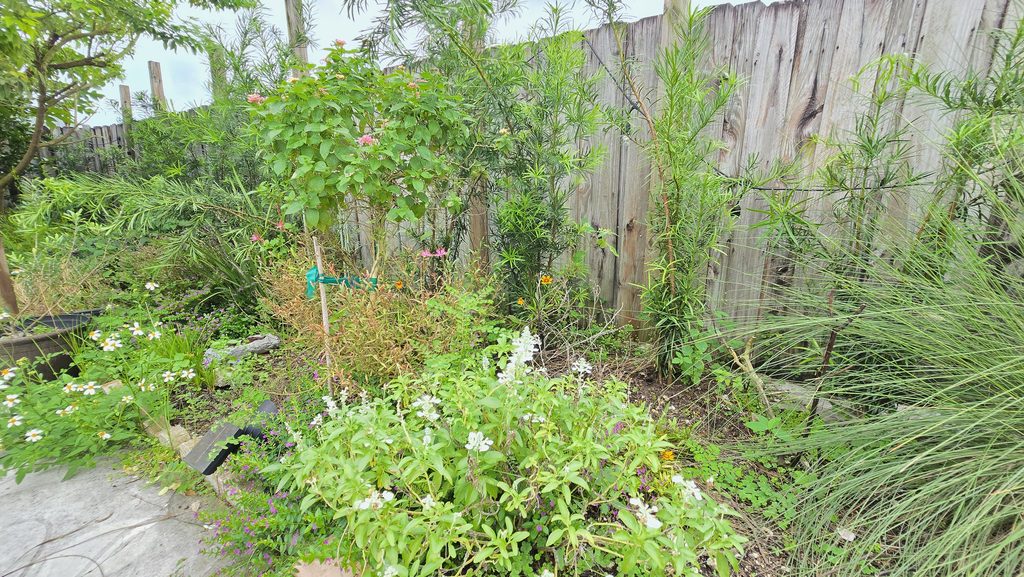
September and early October can still be very hot and wet here, so I don’t suddenly walk outside on the first day of fall and rip everything out.
The garden is still growing.
We’re still getting rain.
Some plants are perfectly happy, some are exhausted, and others look like they’ve simply given up on life.
So I start slowly.
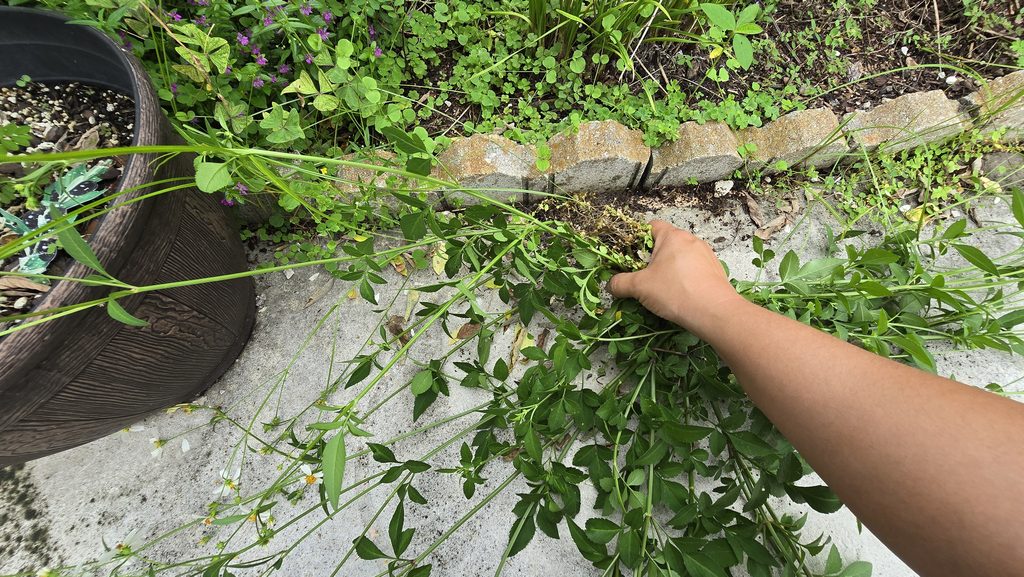
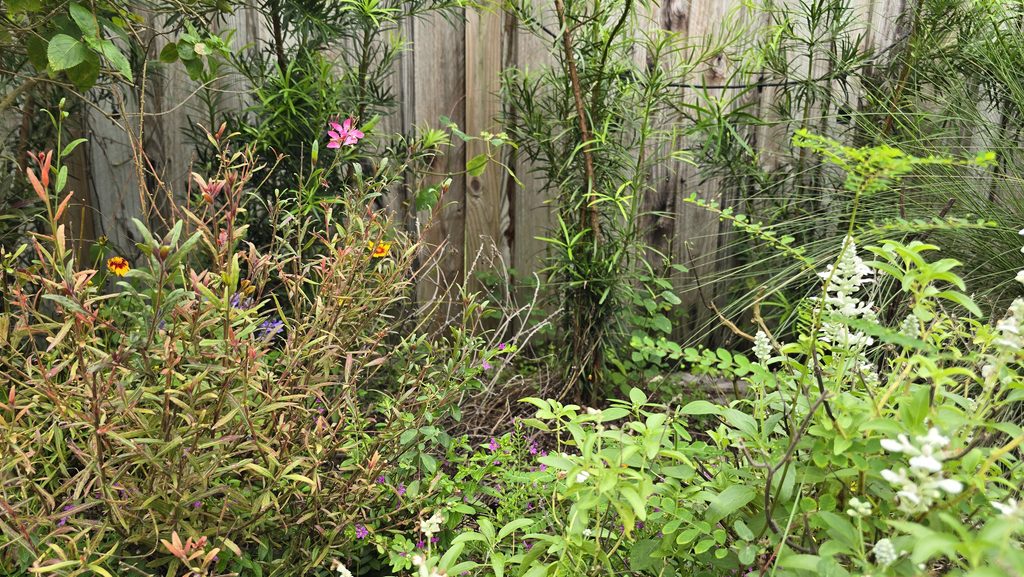
I weed. I trim. I cut things back. I remove whatever is clearly dead or dying and clean up areas that have gotten messy over the summer.
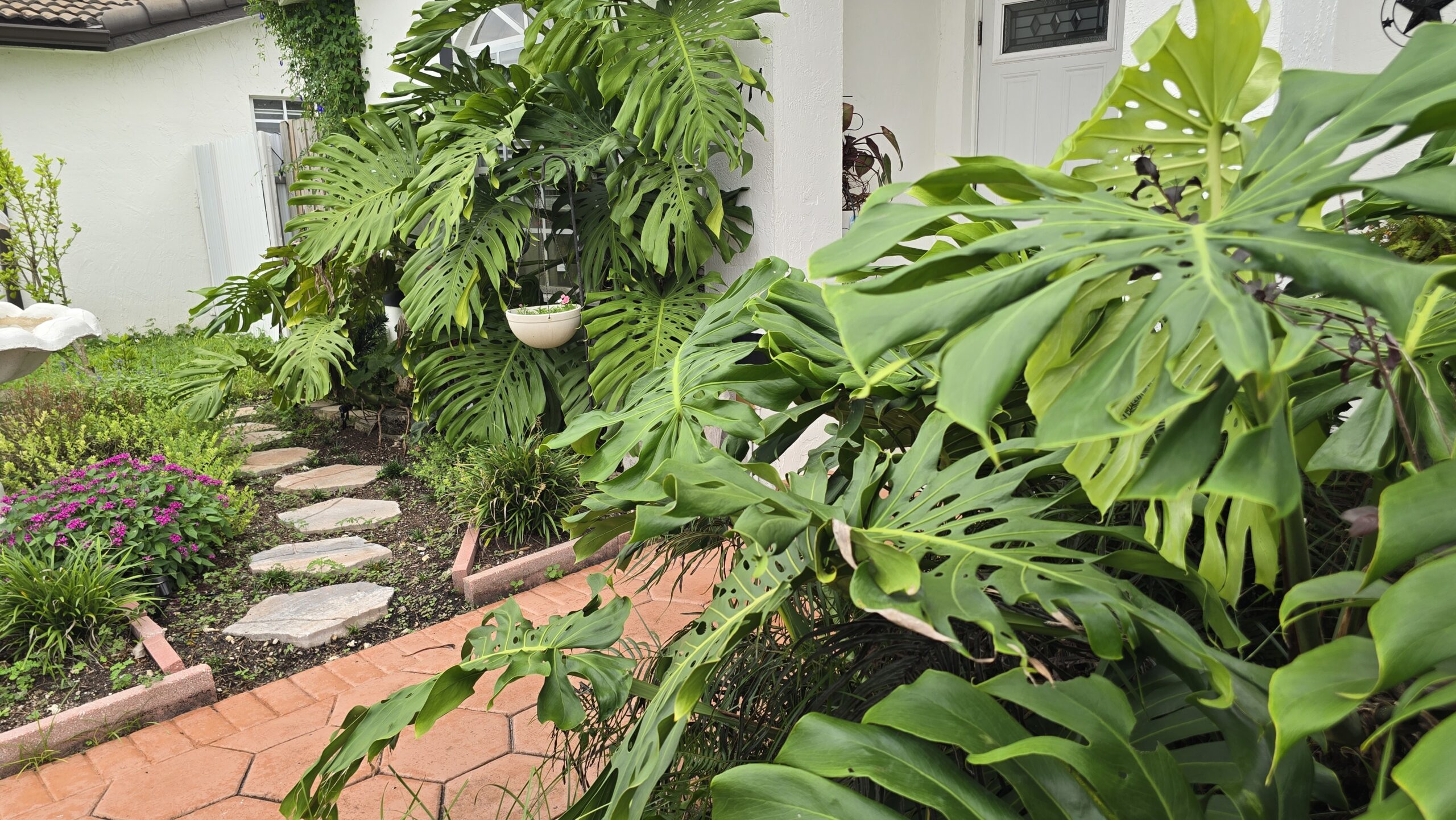
I’ve already cut back the large monstera in the front, for example, and just doing that changed the way that entire area looks.
This is also when I start really looking at everything instead of just maintaining it.
Sometimes a plant doesn’t need to be replaced. It just needs a serious haircut.
Other times, there’s no haircut in the world that’s going to save it.
That’s gardening.
Some Plants Get Tossed. Some Get a Second Chance.
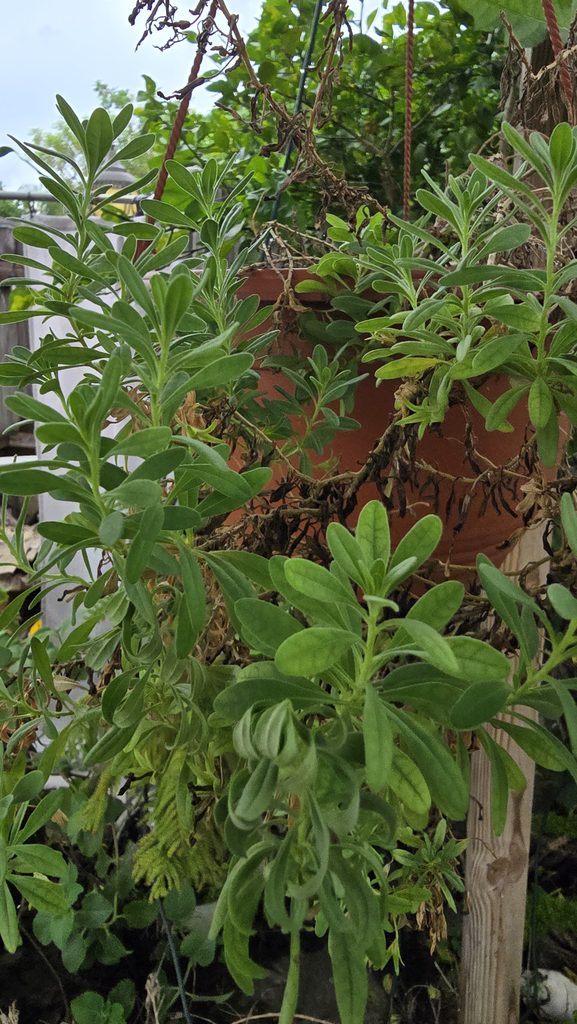
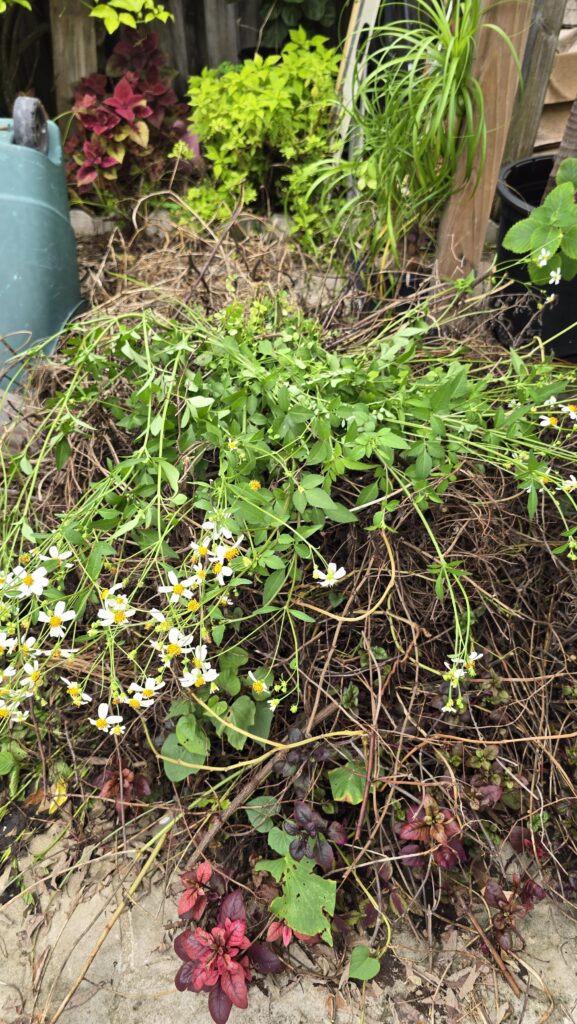
I’m not particularly good at throwing away a plant that I think I might be able to save.
If something is struggling but still has enough life in it, I may pull it out of the garden, put it into a pot, cut it back, and baby it for a while.
Sometimes it works.
Sometimes I’ve essentially created a plant hospice.
But if I can keep something alive until our weather becomes more forgiving, there’s a chance I can use it again when I start putting the garden together for spring.
I do the same thing at garden centers. I’m always looking at the clearance plants.
Apparently I enjoy buying plants that someone else has already decided are nearly dead and bringing them home as a personal challenge.
Some make it.
Some absolutely do not.
But when a clearance plant that looked terrible suddenly starts growing again, it’s ridiculously satisfying.
I’m Already Taking Cuttings
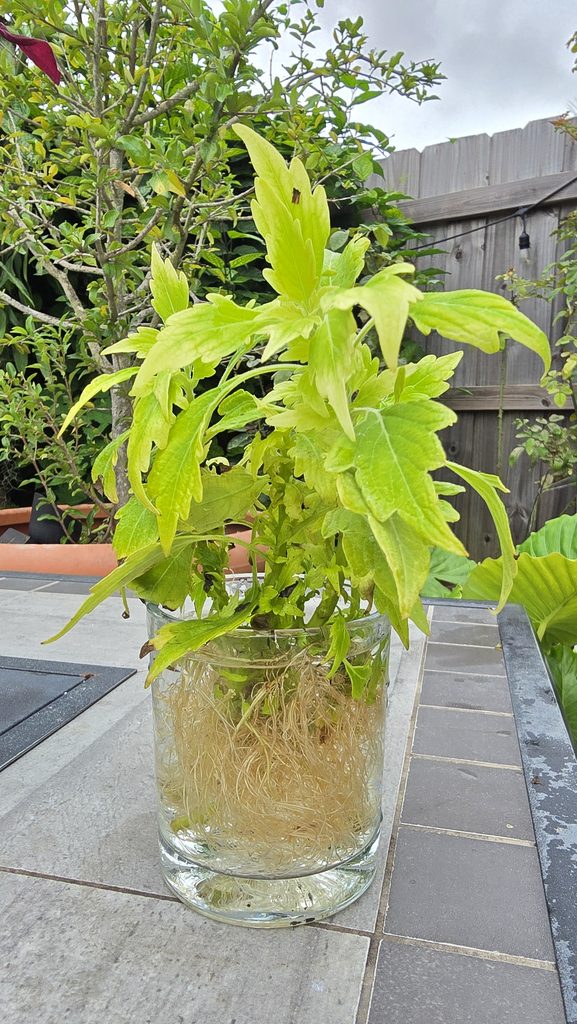
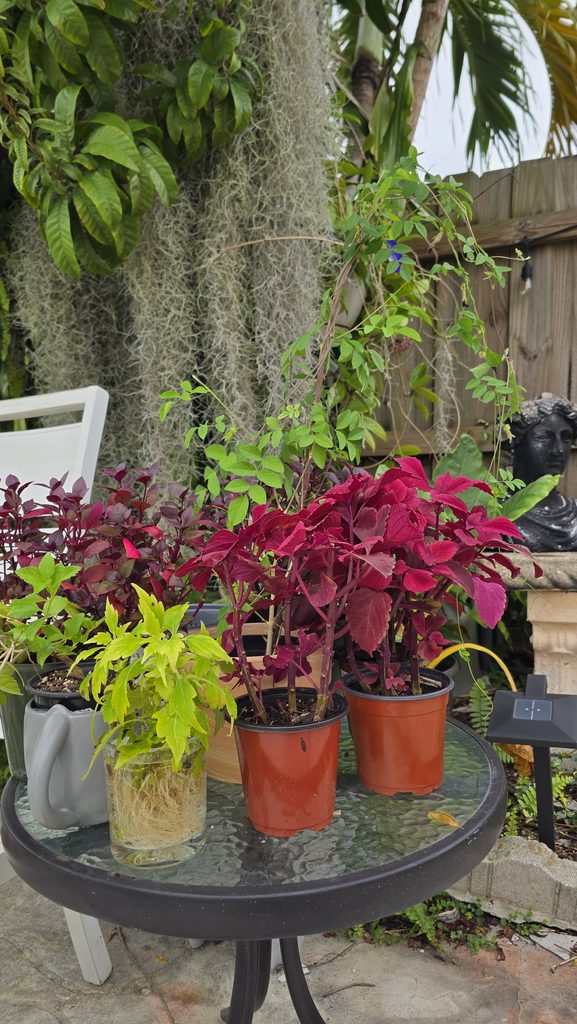
I’ve already started some of the plants I know I want to carry forward.
Right now I have cuttings from my coleus—the deep burgundy one and the bright green one. I love those two colors together.
I’m keeping those in pots rather than putting them into the ground.
That gives me more control over them while I’m figuring out what the garden is going to look like next year, and I can see how they perform as the weather changes.
Then there’s my Joseph’s coat, an Alternanthera that starts out green and turns burgundy.
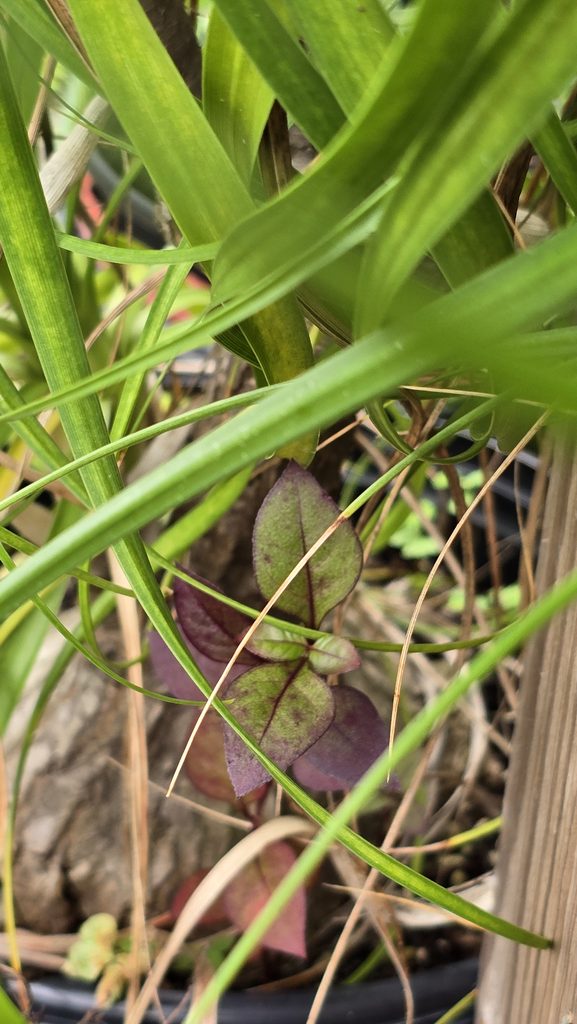
This plant originally started in one area of the garden and has apparently decided the entire backyard belongs to it. I find it on the west side. I find it on the east side. I find it on the south side. It has even self-seeded itself into my ponytail palm pot.
I won’t exaggerate and say north.
Yet.
At this point I’m questioning why I continue encouraging it because apparently it doesn’t need my help.
That’s another part of the cleanup: deciding which plants I actually want more of and which ones have become a little too enthusiastic about living here.
Fall Is When I Start Preparing the Soil
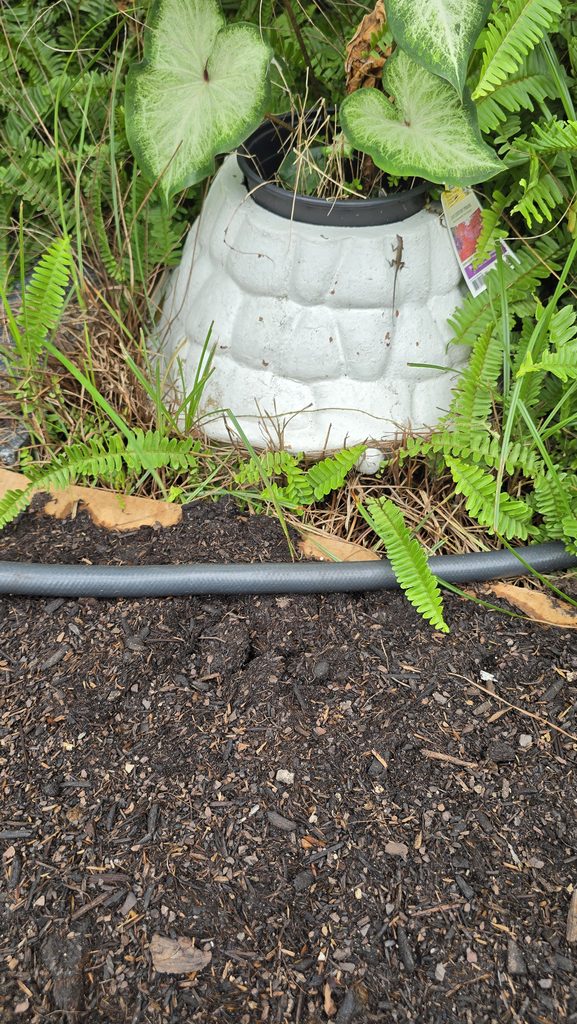
I don’t wait until I’m ready to plant before I think about the soil.
Once I’ve cleaned things up enough to see what I’m working with, I’ll add compost where the garden needs it.
I usually try to do that at least a month before I start planting.
I’m not adding compost because I’m planning to fill the beds immediately. I’m doing it because I want the ground ready when I am.
And I’m usually not ready in October.
My garden calendar is a little strange compared with the traditional one.
December comes and goes, and then sometime around January or February, spring starts in my head.
Is it technically spring?
No.
Do I care?
Also no.
January and February Are My Version of Early Spring
The exact timing changes every year.
If January is unusually cold, I’ll wait.
If the weather is cooperating, I may start earlier.
But somewhere between mid-January and February is usually when I really start putting the garden back together.
By March, I want to be able to walk outside and see it becoming pretty again.
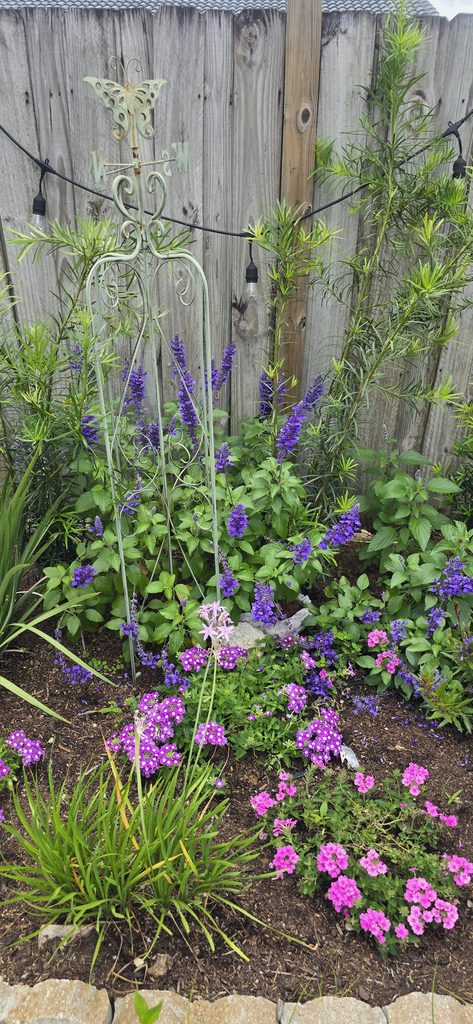
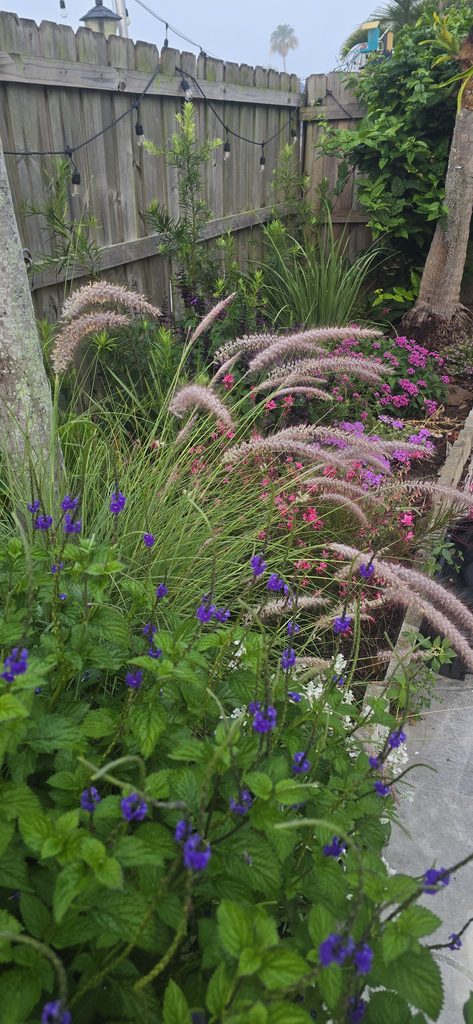
That’s why the work I’m doing in fall matters.
The trimming, weeding, composting, propagating, moving plants into pots and deciding what stays might not be the glamorous part of gardening, but it’s what makes that January and February restart easier.
I’m not starting from zero.
I’ve been preparing for it.
I Start Thinking About What I Want to Grow Next
This is also when I start thinking ahead.
I’ve started flowers from seed in previous years, and I may do that again. But I’m not going to start random seeds simply because I can.
I want to decide what I actually want in the garden and what makes sense for my climate and the spaces I have available.
Some things I’ll grow from seed.
Some things I’ll buy.
And some things I’ll probably find on a clearance rack looking half dead and decide that I’m apparently qualified to rehabilitate.
We’ll see how that goes.
Petunias Will Definitely Be Back
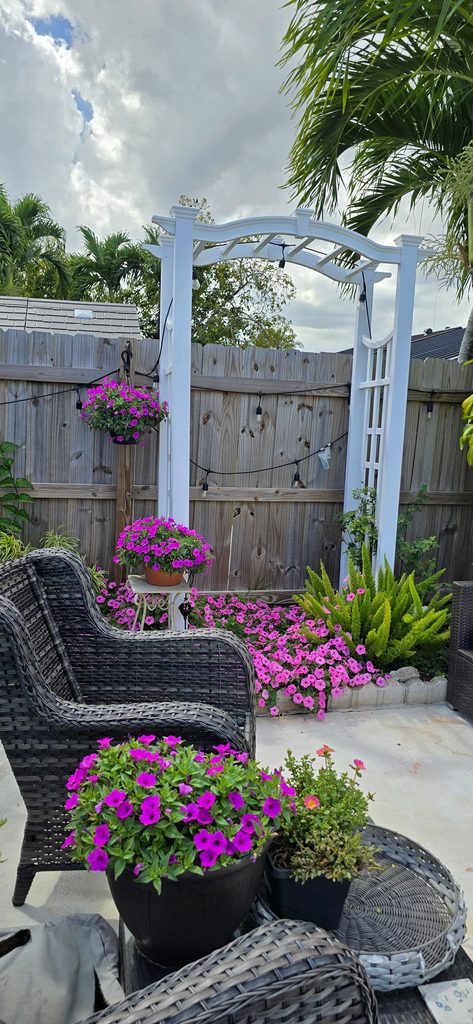
One thing I already know: I want petunias.
I love them.
They do really well for me during our cooler months and can last quite a while here before summer arrives and they start struggling with the heat.
They’re exactly the kind of seasonal color I like adding because I don’t need to redesign the entire garden to make it feel different.
A few areas filled with flowers can completely change how the garden feels.
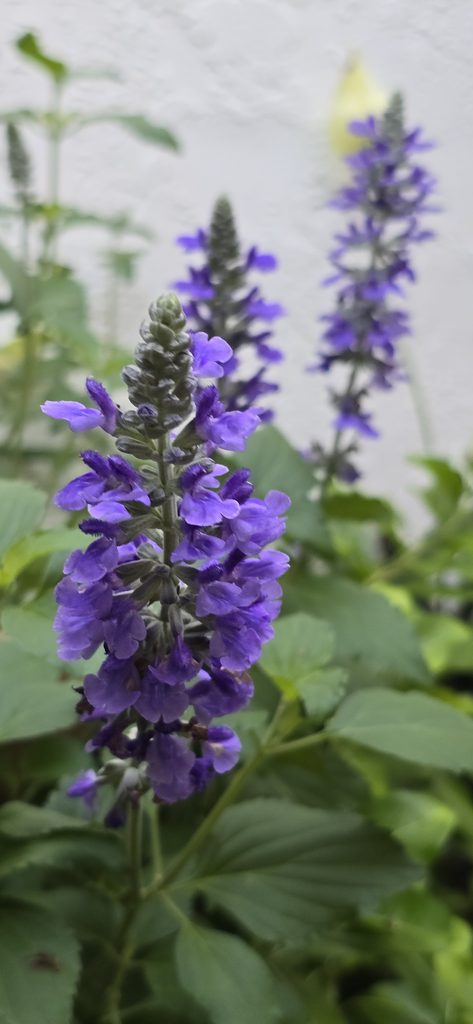
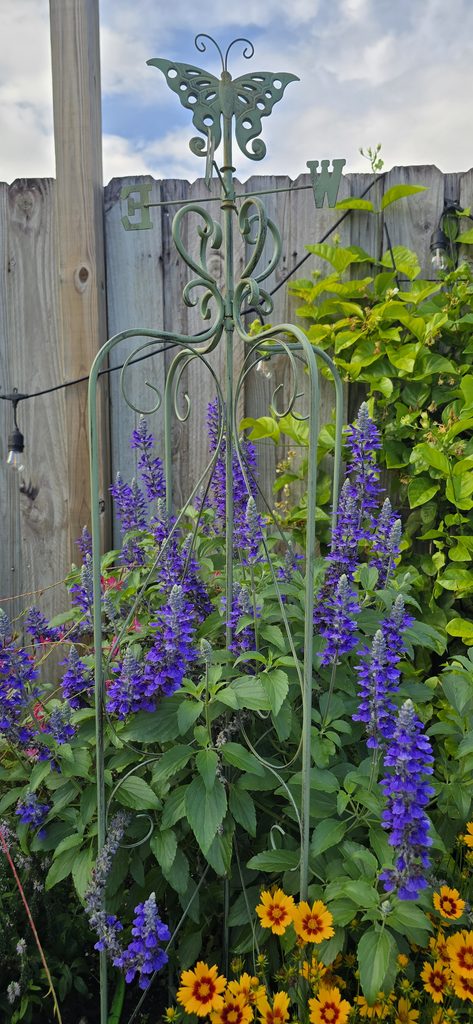
And that’s really how I approach seasonal planting here.
I’m not ripping out my garden every few months and starting over. Most of the garden stays. I add, subtract, move things around, fill gaps and let seasonal flowers give me something different to look at.
Garden Centers Become Part Research, Part Temptation
As the weather starts changing, I’ll also begin making more trips to the garden centers.
Sometimes I’m looking for something specific.
Sometimes I’m seeing what’s starting to arrive.
Sometimes I’m checking clearance.
And sometimes I’m just looking.
At least that’s what I tell myself when I walk in.
I want to see what plants are available for our cooler season and what might carry me through winter into my very early version of spring.
I don’t need to buy everything immediately.
Actually, I’d rather not.
This is when I can start figuring out what colors I want, what areas need something new, and what I already have growing that can do the job without buying another plant.
The Garden Doesn’t Completely Stop Here
One of the things I love about gardening in Miami is that there’s almost always something happening.
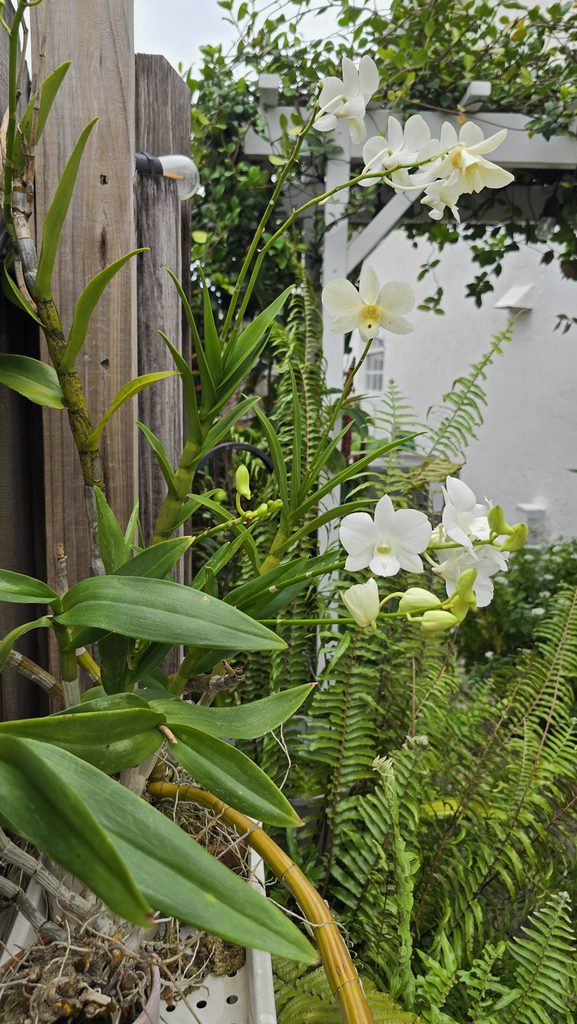
My orchids are a good example.
Depending on the variety, some of them are already starting to bloom while other parts of the garden are looking exhausted from summer.
I’ll also be watching my grasses to see how they perform through the cooler months rather than making decisions about them too quickly.
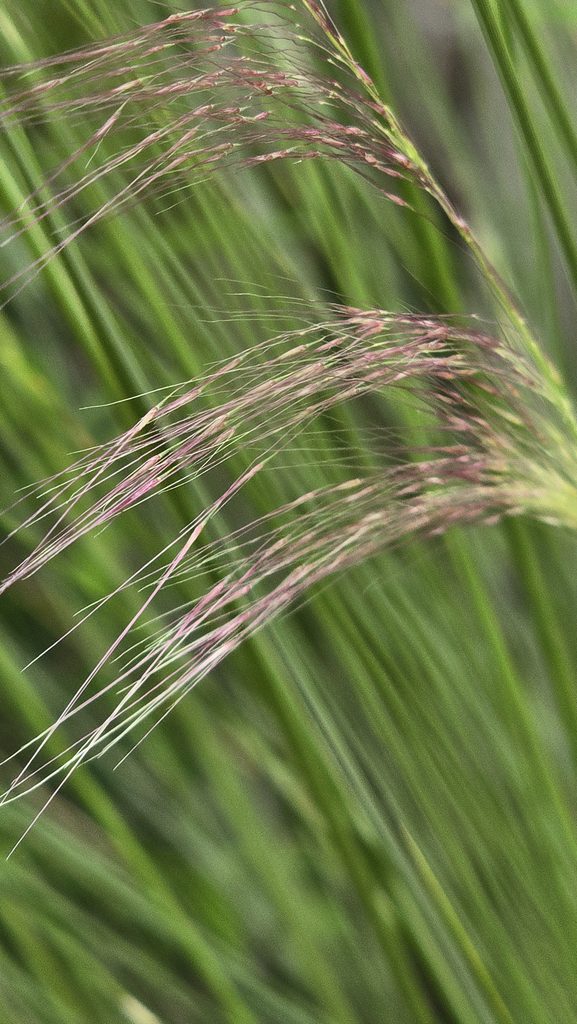
That’s one of the biggest things gardening has taught me: sometimes you need to give a plant an entire season before deciding what you think of it.
October isn’t necessarily when I want everything to look perfect.
It’s when I start paying attention.
I Don’t Put My Miami Garden to Bed for Winter
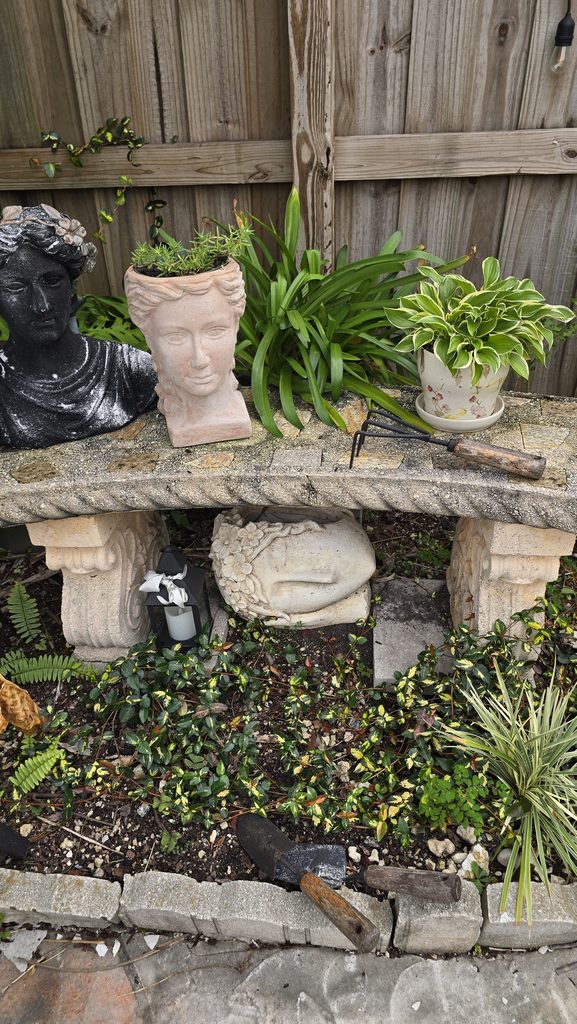
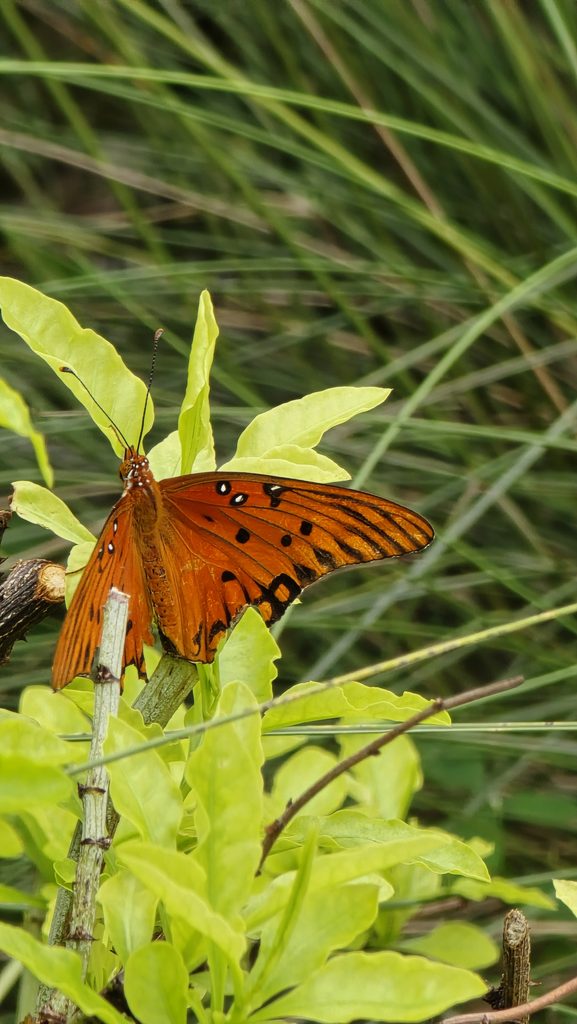
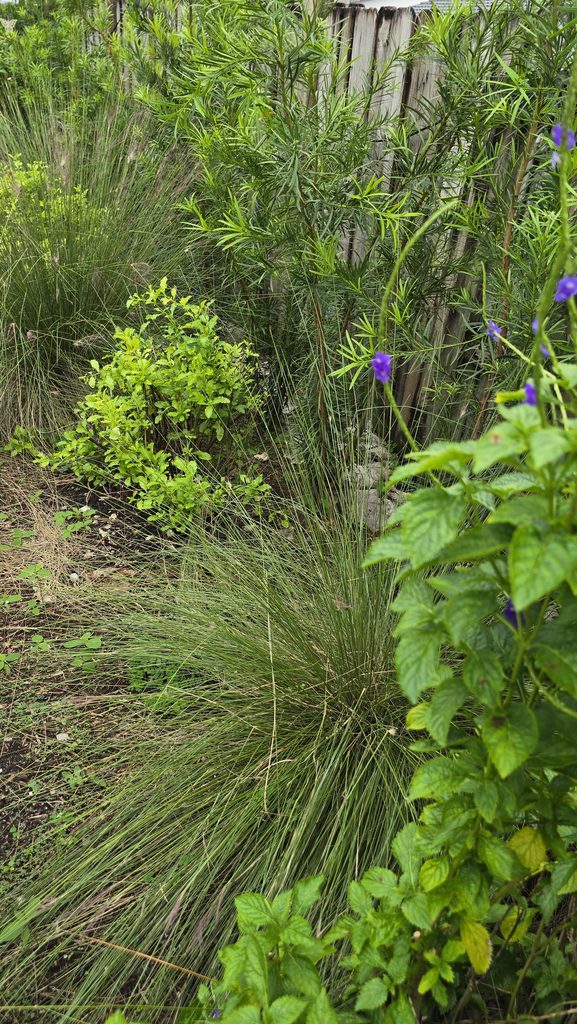
That’s probably the biggest difference between my fall garden routine and the traditional fall garden advice I see every year.
I’m not shutting everything down.
I’m resetting.
I’m cleaning up what summer left behind. I’m cutting things back. I’m getting rid of what didn’t work. I’m trying to save a few things that probably have no business being saved. I’m propagating the plants I know I want again. I’m adding compost and giving the soil time before I ask anything else from it.
I’ll add some seasonal flowers as the weather allows. I’ll wander through garden centers and start planning what comes next.
And slowly, I’ll start thinking about January.
Because while much of the country is still very much in winter, I’ll be standing outside looking at an empty spot in the garden and thinking:
You know what would look really good there?
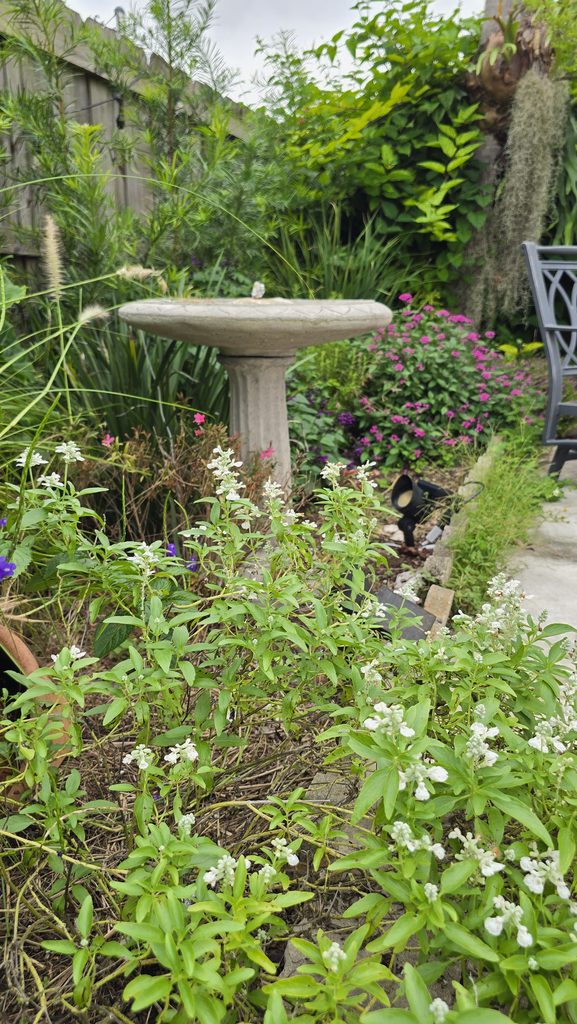
And that’s usually how it starts all over again.
Join Letters from Lola
New posts and seasonal ideas from my Miami home, delivered to your inbox.